Some common heartburn drugs may increase heart attack riskJun-11-2015
That stinging sensation in the chest may be more than just heartburn for those taking certain antacids.
A new study by researchers at Houston Methodist and Stanford University shows that a category of drugs commonly used to fight acid reflux, called proton pump inhibitors, may raise the risk of heart attack. Proton pump inhibitors include such well-known brands such as Prilosec, Nexium, Prevacid and others.
"Proton pump inhibitors increase the risk of heart attack in the general population by about 15 to 20 percent," Dr. John Cooke of Houston Methodist Research Institute told CBS News.
In the study, which examined anonymous, electronic medical records from 2.9 million patients, researchers found a clear association between proton pump inhibitors (PPIs) and heart attack. Analysis of patients using another type of antacid drugs called H2 blockers, such as Zantac and Tagament, did not show this increased risk.
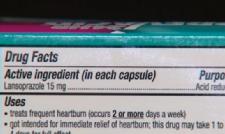
PPIs are effective at lowering the acidity of the stomach, in turn preventing heartburn. They can be identified by chemical names on the label that end with "-prazole," such as omeprazole or lansoprazole. According to researchers, PPIs are some of the most widely prescribed drugs in the U.S., with $14 billion in annual sales.
Previous studies have shown that PPIs can damage the "Teflon-like" lining of blood vessels, which are designed to prevent buildup. A PLOS ONE Circulation report in 2013 suggested how PPIs might cause long-term cardiovascular disease and increase heart attack risk. Other known side effects of PPIs include vitamin B12 deficiency and susceptibility to hip, wrist or spinal fractures.
An estimated 20 percent of Americans suffer from acid reflux, or gastroesophageal reflux, both often referred to as heartburn, according to the National Institutes of Health. Symptoms can include tightness in the chest, a burning sensation in the throat, coughing, hoarseness and difficulty swallowing.
Click the link below for the rest of the article!
 Visit Website
Posted by Ken at 1:43 AM
Visit Website
Posted by Ken at 1:43 AM -
Link to this entry |
Share this entry |
Print