Kale 101, What You Need to KnowAug-06-2013
Kale is all the rage, and its popularity keeps it plentiful in every produce section, in the center aisles as kale chips, and prepared foods section as a salad - so what exactly is kale and why should you eat it? Find out SupermarketGuru's thoughts and tips here.
What is Kale?
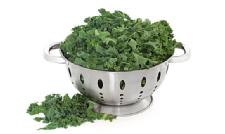
Kale is a cruciferous, green leafy vegetable (Brassica oleracea), with several varieties: curly kale, ornamental kale, and dinosaur (lLcinato or Tuscan) kale, all differ in taste, texture, and appearance.
Nutrition to know:
Kale is a nutrition dream, high in fiber, antioxidants and carotenoids (lutein and beta-carotene), and more than 45 flavonoids, particularly kaempferol, and other phytonutrients like quercetin (combats inflammation) and sulforaphane (fights cancer). as well as anti-inflammatory nutrients (omega-3), and twice the vitamin K as other cruciferous vegetables. Kale also contains tryptophan, calcium, magnesium, potassium, iron, protein, and more.
In fact fresh kale has more vitamin C than an orange! One cup of chopped kale has 134 percent of your recommended daily intake of vitamin C, while a medium orange has 113 percent. And in terms of weight one cup of kale is about 67 grams, while a medium orange weighs 131 grams. Gram for gram kale wins!
As mentioned above, kale contains alpha-linoleic acid (ALA), an omega-3 fatty acid that combats inflammation among other things. Each cup has 121 mg of ALA.
Packed with vitamin A! A one cup serving of kale contains over 200% of our vitamin A recommendation in the form of beta carotene.
How to Buy:
Look for firm, evenly colored, unwilted leaves (yellow edges indicate age) and moist hardy stems. Avoid those with brown spots or small holes. Curly kale has ruffled leaves and a fibrous stalk and a lively pungent flavor with an edge of pepper.
Ornamental kale (salad savoy) has either green, white, or purple leaves and its stalks coalesce to form a loosely knit head; mellow in flavor and tender in texture. Dinosaur kale or Lacinato or Tuscan kale has dark blue-green leaves with embossed texture and a slightly sweeter, more delicate taste. Smaller-sized leaves are more tender and mild than larger leaves. "Baby" kale is also available.
How to Use:
Steam, bake, saut� or use in a stir-fry, or soup, or with grains. Lightly dress in olive oil and lemon for a raw salad. 1-1 � cups is a healthful serving. Combining kale with healthy fats such as avocados, olives and olive oil, flax oil and more help with the absorption of many of its nutrients; specifically fat soluble vitamins like A and K.
How to Store:
Place kale in a plastic storage bag removing air as possible. Store in the refrigerator for up to 5 days (some can be stored longer), although age may increase bitterness. Wash only before using to avoid spoilage.
Smarter Shopping:
Although available year round, kale's primary season is mid-winter to early spring, and yields a sweeter leaf.
 Visit Website
Posted by Ken at 12:00 AM
Visit Website
Posted by Ken at 12:00 AM -
Link to this entry |
Share this entry |
Print